It's a question about sustainability.
I have always found the transportation history of Somalia very disappointing but if you contextualize the infrastructure from a profit motive it makes sense.
For example, why didn't the colonists build better transportation for the Somali colonies in general?
It's not just the Italians, how come the British didn't in Somaliland? How come even in NFD where Kenya was a huge investment recipient the Somali region was neglected?
I am not even talking about trains, I am talking basic road connections. Why not even just along the two major river systems of Jubba and Shabelle which could have had possible impact on industry around the rivers?
I realized three things about Somalia and Somalis that made such investments unpromising then;
1. The nomadic/pastoralists culture (investment in the land requires people who actually stayed put and justified the the relevance of the project). If you build a train or truck stop, what's the point of that stop if the Somali group has moved 30 miles to another well?
2. The geography; Somalis were divided up badly in that they became long stretches of land without much width. Somaliland, Somalia, and NFD are basically ALL one or another form of rectangles...not square or circle...that means there is LESS area between two points but longer perimeter. Basically the train costs MORE to build (distance) with LESS potential profit (the tracks would serve less area) in a rectangular shaped land compared to a circle shaped land.
3. Finally VERY, VERY LOW POPULATION DENSITY. If this was the opposite, perhaps some daring entity would try but the reality is Somalis are a LAANGAAB people.

Wallahi we are one of the most disproportionate People to Land groups in the world. Uganda has 3X the population of Somalia but it's basically about the size of Gedo region. LESS PEOPLE = LESS POTENTIAL CLIENTS = LESS CAPITAL = LESS POTENTIAL PROFIT.
Those 3 things make it extremely UNSUSTAINABLE, even today, to introduce trains to Somalia.
It would either go completely bankrupt as a huge loss or it would have to be heavily subsidized by the government...which again, is extremely unsustainable and and ineffective.
It is the same reason why trains are HUGELY PROFITABLE and in demand in Japan or Europe (say Netherland) because of compact smaller geography with high density (people x sq mile)...
...while trains are NOT VERY PROFITABLE and barely are relevant in the US and Canada because of long, stretched geography with very low density.
This is why the Villabruzi railroadnwas originally built by the Italian government only up to Afgooye (which today is basically part of Mogadishu). They just wanted to bring their profitable banana business in Afgooye quickly to Mog Port. The Duke personally paid to push the train a little more to Jowhar as vanity project (his village was the typical colonialist era unsustainable vanity project that failed all over the continent.
The Italians only even considered expanding it because of WAR and the need to link the two centers of their hegemony in East Africa (Mogadishu and Addis Ababa). It failed because they lost the war. Without the war, there was really no relevance to its existence so the British took it as war booty.
Honestly Somalia needs ROADS.
Many, many,many, MANY roads. Much more than it has now. Those roads need to be PAVED.
The geography and density is ideal for a highway system like the AUTOBAHN in Germany.
Also, Somalis have naturally and organically started to became more settled and integrated. Plus we have a huge diaspora.
Along with roads, SMALL AIRPORTS SHOULD BE DOTTED EVERYWHERE with huge number of SMALL, LOW FLYING REGIONAL AIRCRAFT.
Leave the international routes alone for now. Stop trying to compete with things like Turkish and Qatar and Ethiopia.
Big international carriers in the US like Alaska Airlines have regional subsidiaries like Horizon Air which focus on travel between the Pacific Northwest (Say from Washington State to Montana).
Somalis need these;
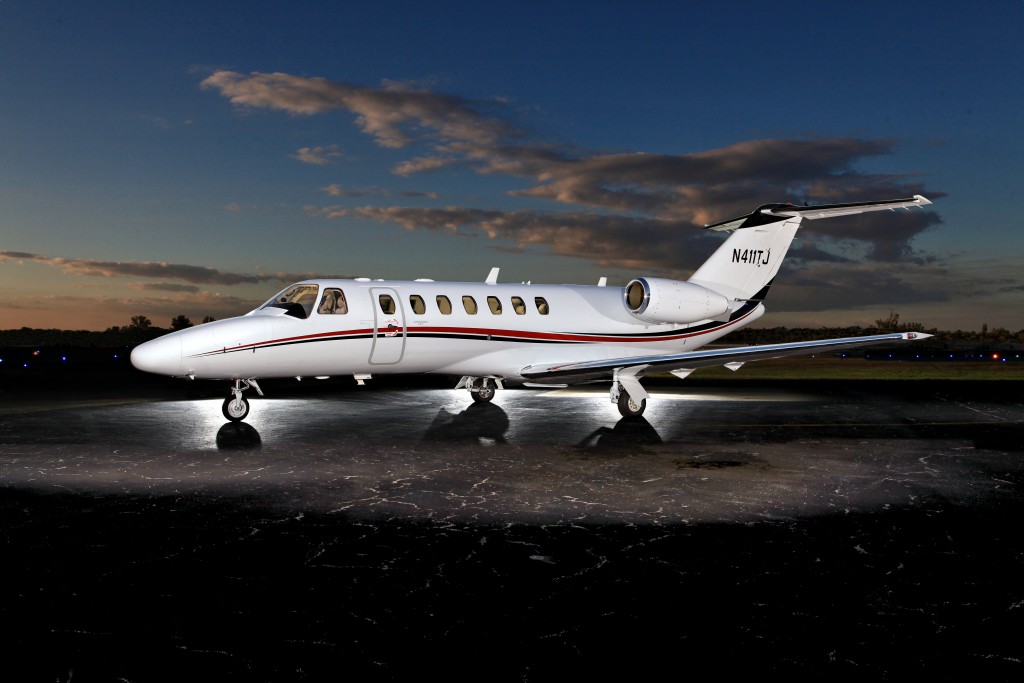
2 of these flying a day are more profitable than 1 weeks worth of those big bulky planes flying every 2-3 days.
One of those goes from southern tip of Somalia to Hargeisa or Djibouti making up to 10 stops a day on short haul travel
Picks up from Kismaayo
Stop in Baardhere where some get off and some get on
Stop in Baido where the same
Stop in Beledweyne where the same
Stop in Mog where the same
Stop in Abudwaq where the same
Then Galkacyo
Bosaso
Burco
Hargeisa
MEAnwhile the other one is starting from the north that day with main hubs not covered earlier
Picks up from Boorama
Goes to berbera
Then Las Anod
Then Garowe
Then Adado/Dhusamareb
Then Bulo Burte
Then Mog then
Barawe
Then Huddur
Finally in Beled-Hawa/Mandera
Those two lines cost less gas, provide more options and flexibility, and are agile.
That's the near future of sustainable Somali travel
More roads plus strategic air travel. Who knows Somalis may become so good st that they become Africa's domestic air travel kings